Assessing Your Project: Is a Paver Overlay Right for Your Eastern NC Home?
Many homeowners dream of upgrading their plain concrete patio, Concrete Patios Eastern NC, and laying pavers on top seems like a perfect solution. The great news is that yes, you can put pavers over concrete in Eastern NC. This method can save you time and money, giving your outdoor space a dramatic facelift. However, our unique coastal climate requires a careful approach to ensure a beautiful and lasting result.
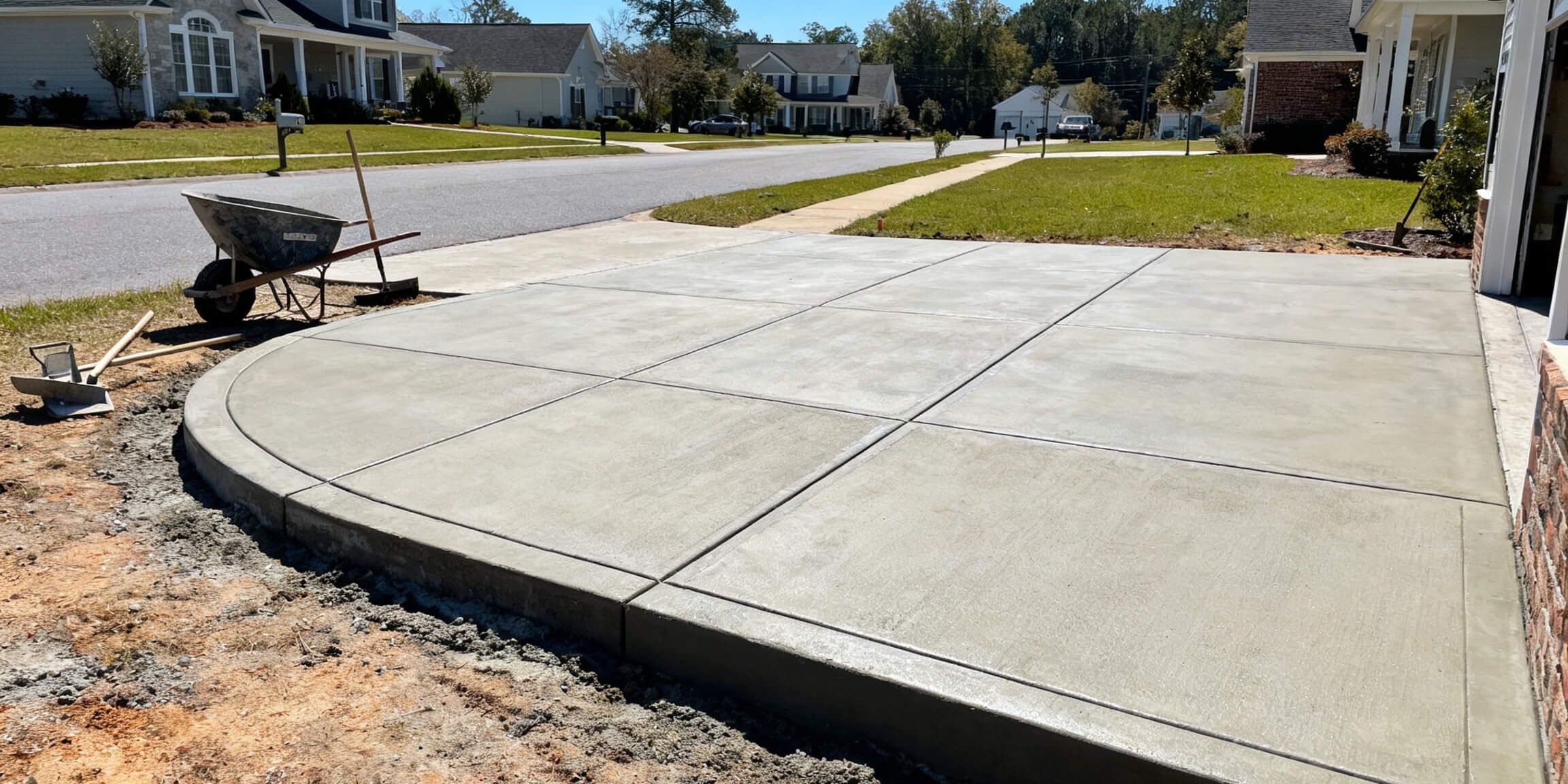
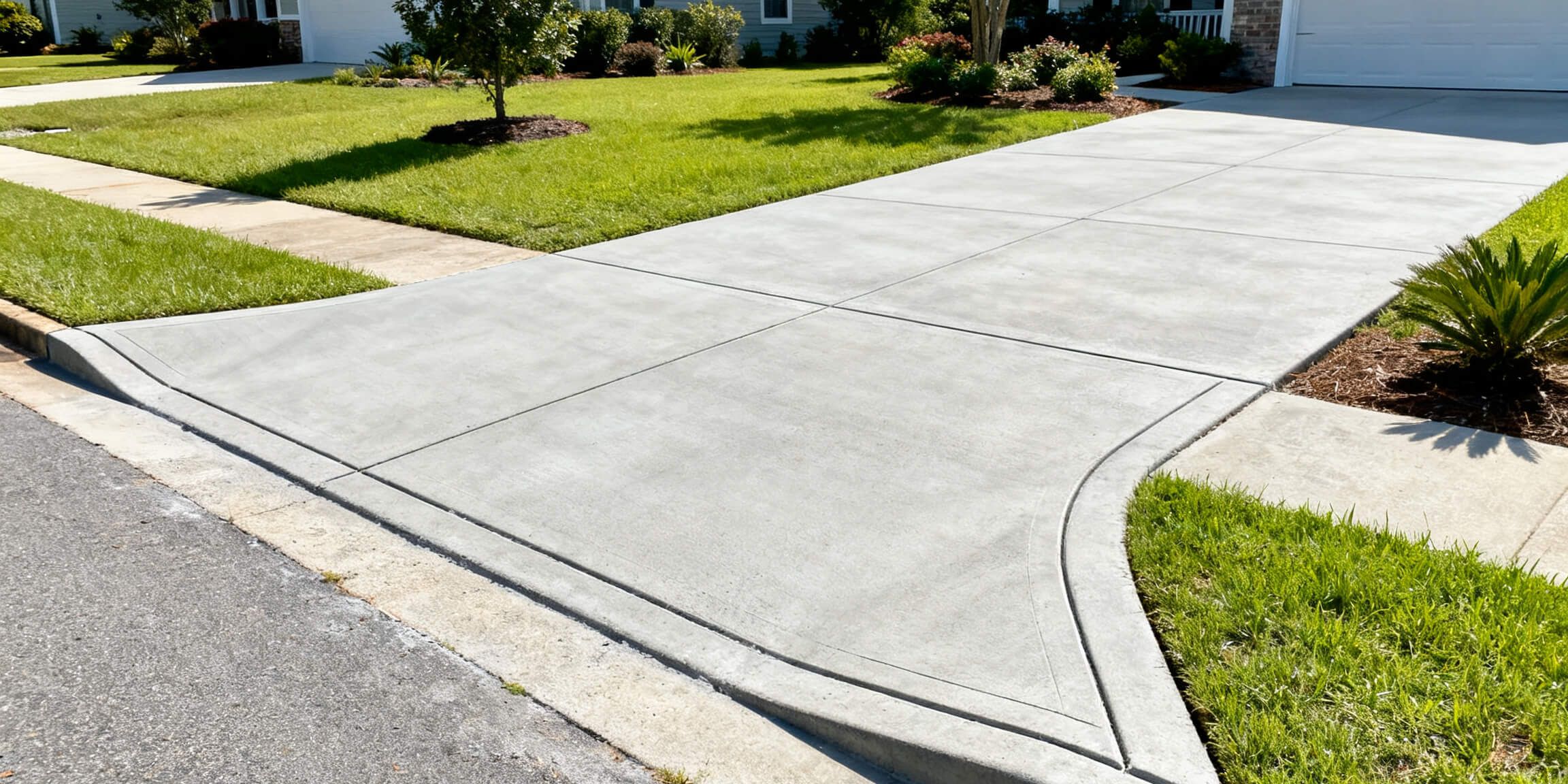
If your current slab isn’t suitable for an overlay, you may benefit from a new, properly built concrete patio installed by our team.
The Pros and Cons of Laying Pavers Over Concrete
Deciding on a paver overlay (modern concrete paver benefits) involves weighing some significant benefits against potential risks. Understanding both sides helps you make an informed choice for your home.
- Pro: Major Cost Savings. An overlay can be 40-60% cheaper than a full tear-out and replacement. You save on demolition, hauling, and new base material costs.
- Pro: Faster Installation. Since the concrete slab acts as a ready-made base, the project timeline is much shorter, meaning less disruption to your daily life.
- Con: Trapped Moisture. Without proper drainage, water can get trapped between the pavers and the concrete, leading to mold, weeds, and efflorescence (white, chalky stains) RadonSeal.
- Con: Transferred Damage. If the underlying concrete slab has major issues, those problems will eventually transfer to your new pavers, causing them to shift or crack.
How to Inspect Your Existing Concrete Slab
A successful paver overlay depends entirely on the condition of your existing concrete. Before you begin, perform these non-negotiable checks. The concrete must:
- Be Structurally Sound: Look for large, uneven cracks where one side is higher than the other. Hairline cracks are usually fine, but significant, shifting cracks mean an overlay is not a good idea.
- Have a Solid Surface: The concrete should not be crumbling, flaking, or spalling. A weak surface won't provide a stable base for the pavers.
- Slope Away from Your House: The slab must have a gentle slope (at least 1-2%) to direct rainwater away from your home's foundation. If it’s flat or slopes inward, an overlay will only worsen water problems.
Key Climate Challenges in New Bern and Coastal NC
Our Eastern North Carolina environment presents specific challenges. High humidity in places like Jacksonville and heavy seasonal rainfall across the region from Goldsboro to the coast mean water management is everything. Salt spray in coastal communities can also accelerate wear and tear. Without proper installation, this moisture can cause efflorescence, degrade the sand bed, and make your beautiful new pavers shift and settle unevenly.

The Proper Installation Method for a Humid Climate
To succeed with a paver overlay in our region, you must choose the right materials and, most importantly, control for moisture. A solid installation plan prevents future headaches and protects your investment.
Choosing the Best Pavers: Porcelain vs. Travertine vs. Concrete
The material you choose has a huge impact on your patio's longevity and comfort. When considering thin pavers over concrete, these are the top three options for our climate:
- Porcelain Pavers: The premium choice. They are non-porous, making them extremely resistant to salt, moisture, and staining. They never need sealing but are the most expensive option.
- Travertine Pavers: This natural stone stays cooler to the touch than concrete, a huge plus in our hot summers Landscape 2020. However, it's porous and must be properly sealed to prevent moisture damage and staining.
- Concrete Pavers: The most affordable option and available in many styles. They are durable but will absorb heat and require regular sealing to protect them from moisture and fading in the coastal sun.

A Step-by-Step Guide to Installing Pavers Over Concrete
Following the correct steps is crucial for a long-lasting paver overlay. This process ensures stability and proper drainage, which is key for any project wondering can you put pavers over concrete in Eastern NC.
- Clean and Prep: Thoroughly pressure wash the existing concrete slab to remove all dirt, mildew, and debris.
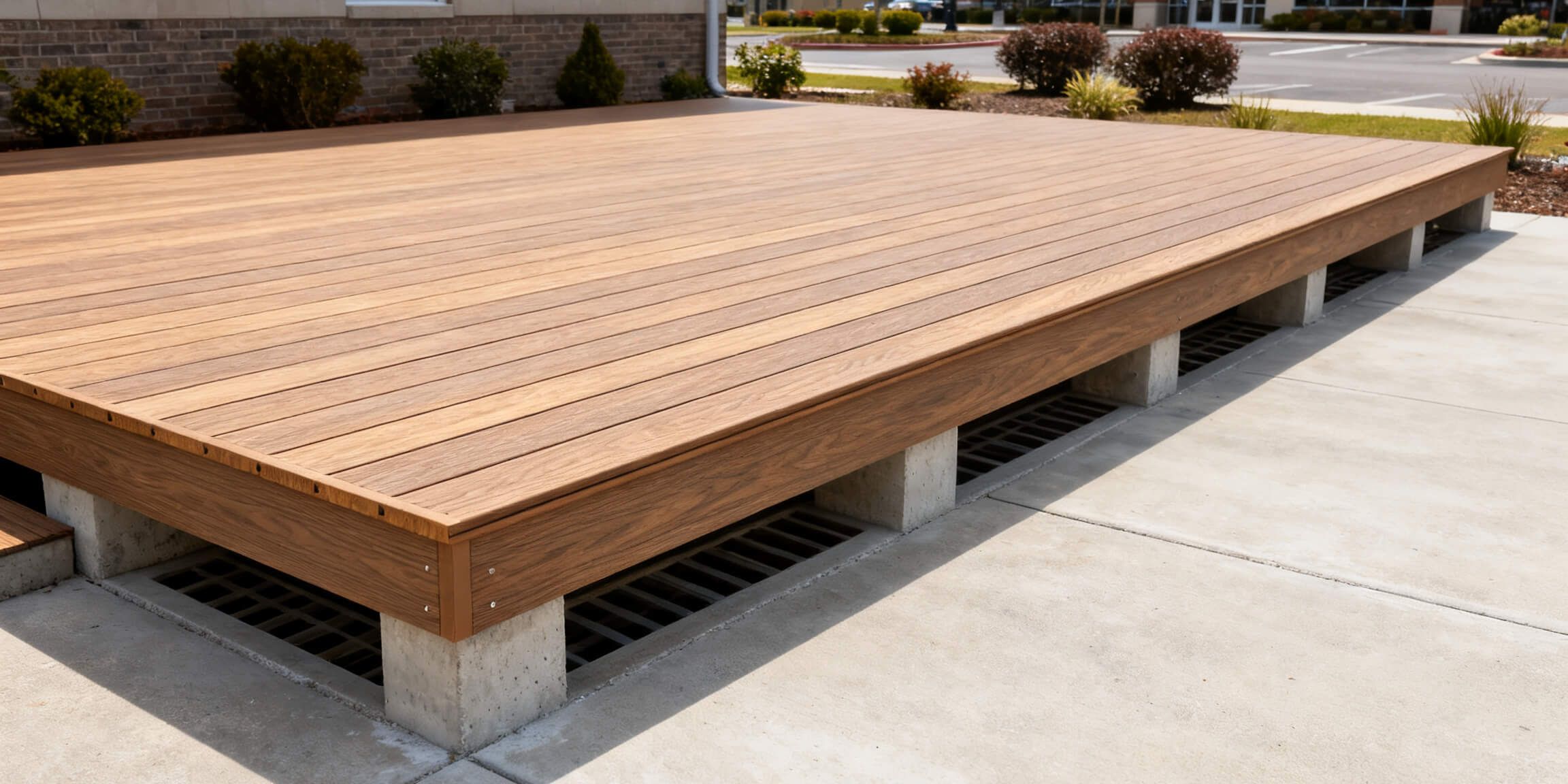
- Drill Drainage Holes: This is a critical step. Drill several 1-inch drainage holes through the concrete slab, especially in low spots, to allow trapped water to escape.
- Install Edge Restraints: Securely fasten paver edging around the perimeter of the slab to lock the pavers in place and prevent them from shifting.
- Lay a Sand Bed: Spread a 1-inch layer of coarse, clean sand evenly across the concrete. This "bedding sand" provides a leveling layer and helps with drainage.
- Place the Pavers: Lay the pavers in your desired pattern, working from a corner outward. Use string lines to keep your joints straight.
- Lock the Joints: Once all pavers are in place, sweep polymeric sand into the joints. This special sand hardens when activated with water, locking the pavers together and preventing weeds.
Critical Drainage Solutions to Prevent Water Damage
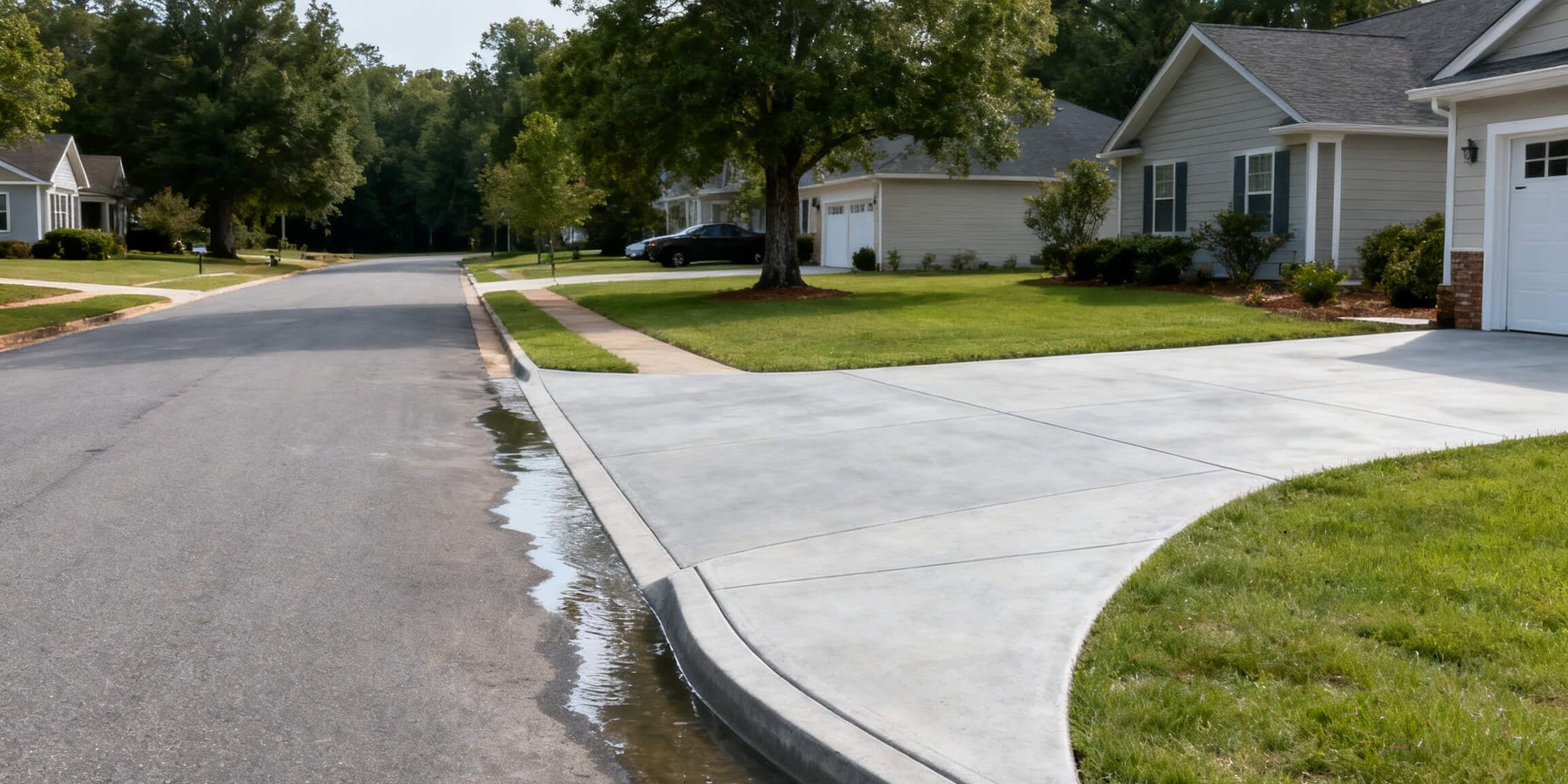
We can't say it enough: drainage is the most important part of installing pavers over concrete. The impermeable concrete slab will trap any water that gets through the paver joints. The drainage holes you drill and the slab's existing slope are your primary defenses against pooling water, which leads to mold, shifting pavers, and efflorescence. In some areas, local NC DEQ stormwater rules may even influence how you manage runoff, making professional planning a wise move.
Budgeting and Professional Guidance for Your Project
Understanding the costs and potential pitfalls will help you plan your project effectively. Knowing when to DIY and when to call a professional can save you from costly mistakes down the line.
Estimating the Cost of a Paver Overlay in Greenville, NC
For a professional paver-over-concrete installation in the Greenville, NC area, homeowners can generally expect to pay between $9 and $17 per square foot HomeGuide. The final price depends heavily on the materials you choose, with material cost comparison playing an important role. Concrete pavers are the most budget-friendly, while premium porcelain pavers will be at the higher end of the cost spectrum. The complexity of the job and site accessibility also play a role in the total cost.
Common Mistakes to Avoid with Your Paver Installation
A few simple mistakes can undermine an otherwise beautiful project. Be sure to avoid these common pitfalls when laying pavers over concrete:
- Forgetting to drill drainage holes in the concrete slab.
- Ignoring the existing slope of the concrete, or lack thereof.
- Using the wrong type of sand (e.g., play sand instead of coarse bedding sand).
- Failing to install proper edge restraints to hold the pavers in place.
- Neglecting to seal travertine or concrete pavers, leaving them vulnerable to moisture and stains.
When to Call a Concrete Professional in Kinston
A paver overlay is a fantastic DIY project if your slab is in great shape. However, if your concrete has large, shifting cracks, crumbles easily, or slopes back toward your house, you need an expert opinion. A professional contractor in an area like Kinston can assess the situation. They can tell you if an overlay is viable or if a new, properly installed concrete patio from Ivan's Concrete Services is the smarter long-term investment for your home.

Frequently Asked Questions
Is installing pavers over a concrete patio a good idea in Eastern NC's climate?
Yes, it's an excellent idea, provided the existing concrete is in good condition and you plan for proper drainage. Our humid climate makes it essential to drill drainage holes and ensure the base slopes away from your home to prevent moisture issues.
What are the biggest problems with putting pavers over concrete in a coastal area like Jacksonville, NC?
The biggest problems are moisture-related. Without adequate drainage, high humidity and rainfall can lead to efflorescence (white stains), mold growth under the pavers, and shifting or settling due to a saturated sand bed. This makes answering the question of can you put pavers over concrete in Eastern NC dependent on proper technique.
How much does it cost to put pavers over a concrete patio in the Greenville, NC area?
The cost for a professional installation typically ranges from $9 to $17 per square foot. The final price for putting pavers over a concrete patio depends mostly on the type of paver material you choose and the ancillary prep work required.
Do I need to drill holes in the concrete when laying pavers on top of it?
Absolutely. Drilling drainage holes is one of the most critical steps for a successful paver overlay in any climate, but it's especially important here in Eastern North Carolina to allow trapped water to escape.
In summary, a paver overlay is a smart and cost-effective way to transform your outdoor space in Eastern NC. Success hinges on starting with a solid concrete base, ensuring excellent drainage, and selecting materials suited for our coastal climate. With careful planning, you can create a stunning and durable patio that you'll enjoy for years.
If you’re unsure about your concrete's condition or want a professional evaluation for your patio project in New Bern, contact Ivan's Concrete Services today. We’ll help you create a durable and beautiful outdoor space built to last. Discover Concrete Patios Eastern NC